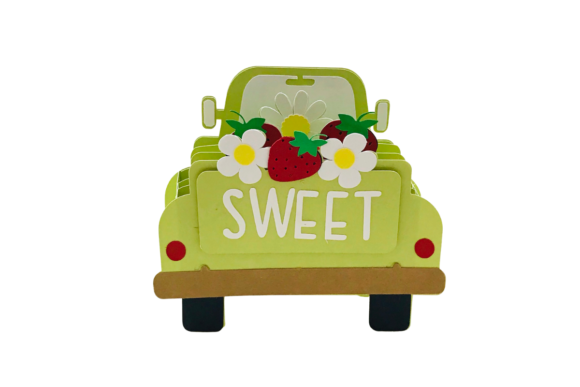
3D Vintage Truck Strawberry Box Card
In the landscape of digital crafting and personal stationery, the integration of physical sentiment with digital precision has become a standard workflow for creators. The 3D Vintage Truck Strawberry Box Card, designed by Paper Closet Designs, represents a specific intersection of aesthetic appeal and structural engineering within paper crafts. It is not merely a flat image but a three-dimensional object that requires planning, material selection, and precise execution. For professionals in marketing, educators creating classroom resources, or hobbyists looking to elevate their gift-giving process, understanding how this design fits into a broader production workflow is essential for achieving consistent, high-quality results.
This article explores the practical implementation of the 3D Vintage Truck Strawberry Box Card, moving beyond simple assembly instructions to examine how this project can be integrated into creative workflows, quality control processes, and personalized communication strategies. By analyzing the components, compatibility, and organizational aspects of this download, users can optimize their time and materials while producing a keepsake that stands out in a crowded field of generic greetings.
Understanding the Component Structure
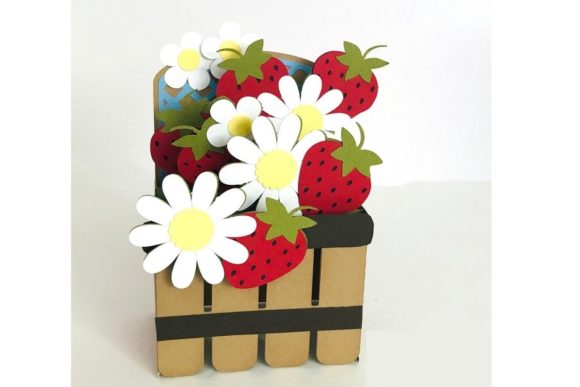
Before initiating any production run, whether for a single gift or a batch of items for an event, it is crucial to deconstruct the asset. The 3D Vintage Truck Strawberry Box Card is composed of several distinct layers that must be managed separately during the cutting and assembly phases. The design includes the truck box base, which serves as the structural foundation. This element dictates the final dimensions of the card when folded flat, measuring 6.5″ x 5″, a size specifically chosen to fit standard 5 x 7 envelopes without requiring additional postage or resizing efforts.
Complementing the base are the layered flowers and layered strawberries. These elements add depth and visual interest, transforming a simple box shape into a detailed scene. The inclusion of an optional gift card holder on the back of the card introduces a functional component, allowing for dual-purpose utility: the front displays the artistic theme, while the back provides a secure pocket for monetary gifts, vouchers, or additional notes. Recognizing these separate components allows crafters to plan their cutting layout efficiently, minimizing waste and ensuring that all pieces are ready before adhesive application begins.
Technical Compatibility and File Management
One of the primary friction points in digital crafting is file compatibility. The 3D Vintage Truck Strawberry Box Card addresses this by providing a comprehensive suite of formats tailored to different hardware ecosystems. Users receive the design in SVG, GSD, DXF, and JPG formats, alongside a PDF instruction manual. This variety ensures that regardless of the cutting machine in use—whether it is a Cricut Design Space, Silhouette Cameo, Portrait, Brother Scan and Cut, or another digital cutter—the design remains accessible.
- SVG Files: Essential for Cricut Design Space users, these files allow for easy scaling and manipulation within the software environment.
- GSD and DXF Files: Critical for Silhouette and other vector-based cutters, ensuring precise path data for clean cuts.
- JPG Files: Useful for reference images or for those who prefer to trace manually if digital tools are unavailable.
- PDF Instructions: Serves a dual purpose as both a guide and a potential template for hand-cutting, increasing the versatility of the purchase.
From a workflow perspective, organizing these files immediately upon download is a best practice. Creating a dedicated folder structure labeled by project name helps prevent version control issues, especially when iterating on designs or sharing assets with team members in a small business context. The presence of multiple formats reduces technical barriers, allowing users to select the tool that best fits their current capacity and expertise level.
Material Selection and Quality Control
The longevity and presentation of the 3D Vintage Truck Strawberry Box Card are heavily dependent on material choice. While the design is versatile enough to accommodate various papers, the recommended specification is Encore Cardstock at 80 lb cover (216 gsm). This weight is significant because it provides the necessary stiffness to hold the 3D structure without collapsing, yet remains flexible enough to fold cleanly along score lines.
For those managing production efficiency, sticking to a standardized cardstock weight simplifies the cutting process. Different thicknesses may require adjustments to blade pressure or speed settings on digital cutters, introducing variables that can lead to inconsistent cuts or damaged blades. By adhering to the recommended 80 lb cover stock, users ensure that their cutting profiles remain consistent across multiple projects. Furthermore, the option to use favorite printed or solid color papers allows for brand alignment in professional contexts or thematic consistency in personal projects. Whether coordinating with a summer garden party or a rustic-themed celebration, the ability to customize the paper stock adds a layer of personalization that generic store-bought cards cannot match.
Assembly Workflow and Efficiency Tips
Assembling a 3D card involves more than just gluing pieces together; it requires a logical sequence to ensure structural integrity and aesthetic alignment. The provided video tutorial and PDF instructions serve as the primary guides, but integrating these steps into a streamlined workflow can save considerable time.
- Preparation and Cutting: Load the selected cardstock into the digital cutter. Verify that the blade depth is appropriate for 216 gsm paper to avoid scoring through the bottom layer. Perform a test cut on scrap paper if switching to a new brand or color of cardstock.
- Sorting and Organization: As pieces are cut, sort them by component (base, flowers, strawberries, gift holder). Using a sorting mat or divided tray prevents confusion during assembly, particularly when dealing with numerous small layered elements.
- Pre-Assembly Layout: Before applying any adhesive, lay out all pieces on the base to visualize the final composition. This step allows for adjustments in spacing and layering order, ensuring that the 3D effect pops correctly.
- Layering Strategy: Apply adhesive strategically. For the layered strawberries and flowers, using foam tape or dimensional adhesive can enhance the 3D effect, adding shadow and depth that flat glue cannot achieve.
- Final Assembly: Fold the box base according to the score lines. Attach the decorative elements, ensuring they are centered and aligned. Finally, attach the optional gift card holder to the back, verifying that it lies flat and does not interfere with the envelope closure.
This methodical approach minimizes errors and rework. In a professional setting, such as a small business selling handmade goods, establishing a repeatable assembly routine is key to maintaining quality control and meeting delivery deadlines. Consistency in folding, gluing, and finishing ensures that every customer receives a product that meets the same high standard.
Integration into Personal and Professional Goals
The 3D Vintage Truck Strawberry Box Card serves as more than a standalone craft project; it is a tool for enhancing relationships and brand identity. For individuals, it offers a tangible way to express care through a personalized message. The back of the card provides ample space for sentiments, making it a perfect vessel for handwritten notes that carry emotional weight. In an era dominated by digital communication, the effort required to create and send such a card signals a deliberate investment of time and thought, strengthening social bonds.
For entrepreneurs and marketers, this design can be leveraged in customer appreciation campaigns. Including one of these cards with orders or as part of a welcome kit adds a premium feel to the unboxing experience. The vintage truck motif evokes nostalgia and charm, qualities that resonate well with audiences seeking authenticity. Moreover, the ability to customize the paper allows businesses to align the card with their brand colors and aesthetics, reinforcing brand recognition without overt advertising.
Long-Term Value and Adaptability
Investing in digital cut files like the 3D Vintage Truck Strawberry Box Card offers long-term value due to its adaptability. Unlike pre-printed cards that are limited to a single theme, this design can be reimagined indefinitely. A user might start with a strawberry theme for a summer event but later modify the color palette to suit a winter holiday by changing the paper stock and perhaps substituting the floral elements if the software permits. The core structure remains constant, reducing the need to learn new techniques for each variation.
Additionally, the availability of the PDF as a hand-cutting template ensures that the design is accessible even to those who do not own digital cutters. This inclusivity broadens the potential user base and encourages community engagement, as users can share tips and variations across social platforms. The combination of digital precision and traditional craftsmanship creates a hybrid workflow that appeals to a wide demographic, from tech-savvy millennials to experienced artisans.
Ultimately, the success of implementing the 3D Vintage Truck Strawberry Box Card lies in the balance between following instructions and exercising creative freedom. By treating the project as a structured workflow—from file management and material selection to organized assembly and thoughtful personalization—users can produce high-quality results consistently. This approach transforms a simple card-making task into a refined creative process, yielding a unique keepsake that honors the recipient and reflects the maker’s attention to detail.