The Power of the Isolated Single 3D Suitcase Vector: A Comprehensive Guide to Modern Travel Iconography
In the rapidly evolving landscape of digital design, visual communication has become the primary language of commerce and creativity. Among the myriad of icons used to convey complex ideas instantly, few are as universally recognized or versatile as the isolated single 3d suitcase vector. This specific graphic element serves as more than just a decorative image; it is a critical component in user interface (UI) design, branding, and digital marketing. Whether you are designing a travel agency website, creating an icon set for a logistics app, or crafting a vintage-style poster, understanding the nuances of this asset is essential for any designer or business owner.
This article explores the significance, applications, and technical advantages of using isolated single 3D suitcase vectors. We will delve into why this particular style—often featuring vintage silhouettes or modern 3D rendering—resonates so strongly with audiences and how it fits into contemporary design workflows.
Understanding the Core Concept: What is an Isolated Single 3D Suitcase Vector?
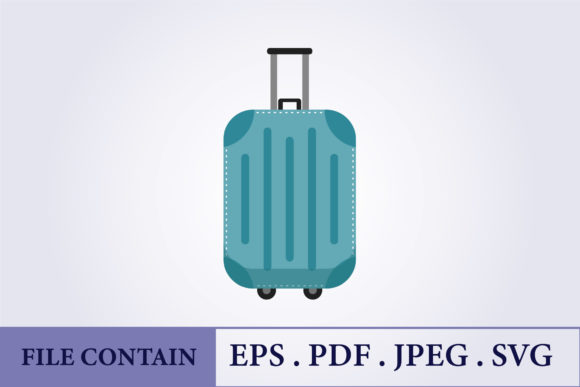
To fully appreciate the value of this asset, we must first break down its terminology. An isolated single 3d suitcase vector refers to a digital illustration of a piece of luggage that meets three specific criteria:
- Isolated: The object stands alone against a transparent or solid background, free from surrounding context like airports, roads, or landscapes. This isolation allows designers to place the suitcase anywhere without worrying about clipping paths or conflicting backgrounds.
- Single: It depicts one distinct unit of luggage. While stacks of suitcases can imply volume or heavy cargo, a single suitcase often represents individuality, personal journeys, or a singular focus on the traveler’s experience.
- 3D Vector: Unlike flat 2D illustrations, 3D vectors use shading, lighting, depth, and perspective to create a realistic or stylized appearance that mimics physical objects. Being a "vector" means the image is mathematically defined, allowing it to be scaled to any size—from a tiny favicon to a massive billboard—without losing quality.
When combined with a vintage silhouette aesthetic, these vectors often evoke nostalgia, suggesting classic air travel, retro adventures, and timeless elegance. This blend of modern technology (vector graphics) with classic imagery (vintage styles) creates a unique visual tension that is highly appealing to modern audiences.
The Significance of Visual Metaphors in Digital Design
Human brains process images 60,000 times faster than text. In web design and application development, this speed is crucial. Users do not read every word on a page; they scan for familiar symbols. The suitcase is one of the most potent visual metaphors available. It instantly communicates concepts such as:
- Travel and Tourism: Booking flights, hotels, and tours.
- Movement and Transition: Moving houses, changing jobs, or migrating data.
- Packing and Preparation: To-do lists, checklists, and readiness.
- Logistics and Shipping: Freight, delivery services, and inventory management.
By using an isolated single 3d suitcase vector illustration logo icon design, designers provide an immediate cognitive shortcut for the user. For example, a button labeled "Start Your Journey" paired with a high-quality 3D suitcase icon is significantly more compelling and understandable than text alone. This reduces friction in user experience (UX) and increases engagement rates.
Applications in Business and Creativity
The versatility of the 3D suitcase vector extends across various industries. Here is how different sectors leverage this asset:
1. Travel and Hospitality Industry
For airlines, hotels, and tour operators, the suitcase is central to their brand identity. A template background vintage silhouette featuring a suitcase can be used for promotional banners, email newsletters, and social media posts. The vintage style adds a layer of sophistication and wanderlust, encouraging users to dream about their next destination. For instance, a luxury travel blog might use a gold-toned, vintage-style 3D suitcase to symbolize exclusive, high-end trips.
2. E-Commerce and Retail
Luggage brands need to showcase their products effectively. While product photography is important, vector illustrations offer flexibility. A 3D suitcase vector can be easily recolored to match seasonal themes (e.g., red for Valentine’s Day, green for Christmas) or placed in various contexts without reshooting photos. This adaptability makes it a cost-effective solution for dynamic marketing campaigns.
3. Technology and Apps
In the tech world, the suitcase often symbolizes data migration or cloud storage. When a user backs up their files, the icon might change from a folder to a suitcase, indicating that their digital "belongings" are being packed away safely. The clean lines and precise geometry of vector graphics ensure that these icons remain crisp on high-resolution Retina displays and mobile screens.
4. Education and Presentations
Educators and presenters use visuals to simplify complex topics. A presentation on global economics might use a suitcase icon to represent international trade. The ability to isolate the suitcase allows the presenter to animate it moving across a slide, visually demonstrating the flow of goods or people. This dynamic approach keeps audiences engaged and aids in information retention.
Technical Advantages: Why Vectors Over Raster Images?
One common misconception among beginners is that all digital images are created equal. However, there is a fundamental difference between raster images (like JPEGs or PNGs) and vector images (like SVGs or AI files). The choice of a 3d suitcase vector offers several distinct advantages:
- Scalability: As mentioned earlier, vectors can be scaled infinitely. A raster image of a suitcase will become pixelated and blurry if enlarged beyond its original resolution. A vector remains sharp at any size, making it ideal for responsive web design where layouts change across different devices.
- File Size: Vector files are typically smaller in size than high-resolution raster images. This leads to faster loading times for websites, which is a critical factor for SEO and user satisfaction.
- Editability: Vectors are composed of paths and nodes, allowing designers to modify colors, shapes, and shadows with ease. If a client wants the suitcase to be blue instead of brown, or wants to add a handle, it can be done quickly within design software like Adobe Illustrator or Figma.
- Consistency: In icon sets, consistency is key. Using a vector-based approach ensures that the 3D suitcase matches the style, weight, and lighting of other icons in the set, creating a cohesive and professional look.
Designing with Vintage Silhouettes: Balancing Old and New
The trend of combining 3D realism with vintage silhouettes is particularly interesting. This style bridges the gap between the tangible past and the digital future. The vintage silhouette aspect often involves rounded corners, leather textures, brass latches, and classic shapes reminiscent of mid-20th-century travel gear. When rendered in 3D, these elements gain depth and tactility, making them feel almost touchable.
For designers, this combination offers a rich palette of creative possibilities. It allows for the creation of assets that feel both trustworthy and innovative. Trust comes from the nostalgic, classic design cues, while innovation is conveyed through the modern 3D rendering technique. This duality is powerful in branding, as it suggests that a company respects tradition but embraces modern solutions.
Common Misunderstandings and Best Practices
While the benefits are clear, there are some pitfalls to avoid when using these assets:
- Overcrowding: Because the suitcase is an isolated asset, it is tempting to surround it with too many other elements. Remember, the power of the icon lies in its simplicity. Give it space to breathe.
- Inconsistent Lighting: In 3D design, lighting is everything. Ensure that the light source on your suitcase matches the lighting in the rest of your composition. Mismatched shadows can make the image look fake and unprofessional.
- Ignoring Context: While the suitcase is universal, cultural nuances exist. In some cultures, specific types of luggage may carry different connotations. Always consider your target audience when selecting the style of the suitcase.
Conclusion
The isolated single 3d suitcase vector is far more than a simple clipart image. It is a sophisticated design tool that enhances communication, improves user experience, and adds visual appeal to a wide range of projects. From travel agencies to tech startups, the ability to leverage this asset effectively can make a significant difference in how a message is received.
As digital design continues to evolve, the demand for high-quality, scalable, and aesthetically pleasing icons will only grow. By understanding the principles behind the 3D suitcase vector—its technical advantages, its symbolic power, and its stylistic versatility—designers and businesses can create more engaging and effective visual content. Whether you are drawn to the sleekness of modern 3D rendering or the charm of a vintage silhouette, this iconic image remains a staple in the designer’s toolkit, ready to pack your ideas for the journey ahead.
Embrace the clarity and impact of vector illustration. Let your designs travel further, reach wider audiences, and leave a lasting impression. After all, in the world of digital communication, every detail counts, and sometimes, all you need is a well-designed suitcase to start the conversation.