3D Layered Warrior Design
The intersection of digital precision and physical craft has never been more accessible. For creators, designers, and hobbyists alike, the demand for high-quality assets that bridge the gap between screen and reality is growing rapidly. Enter the 3D Layered Warrior, a design concept that offers more than just a static image; it provides a structural blueprint for depth, dimension, and tactile engagement. This asset is not merely a graphic; it is an invitation to build, layer, and visualize complexity in three-dimensional space.
Whether you are preparing materials for a laser cutter, planning a vinyl decal project, or developing digital content for social media, understanding how to leverage layered designs can elevate your work from flat to formidable. The 3D Layered Warrior serves as a versatile template that encourages experimentation with scale, color, and material. It stands out because it breaks down a complex figure into manageable components, allowing for customization at every level of the creative process.
Understanding the Anatomy of Depth
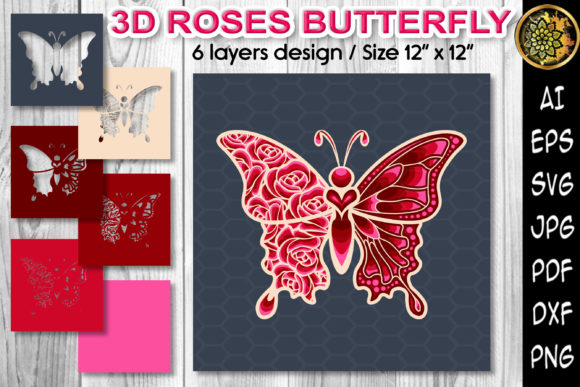
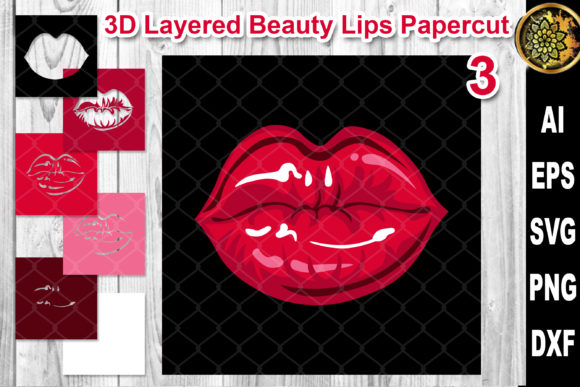
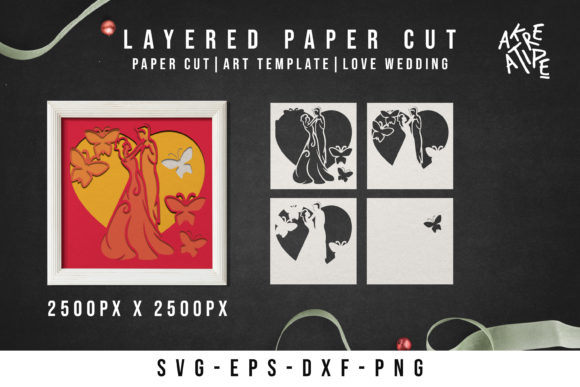
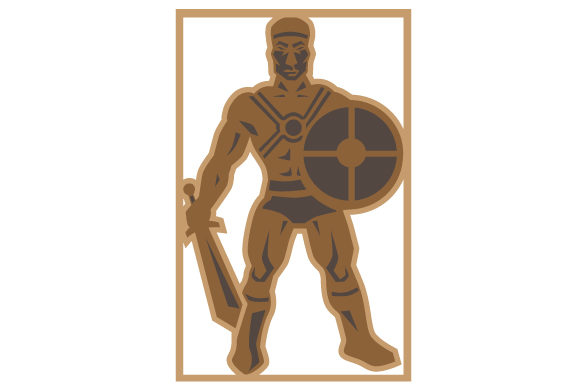
At its core, a layered design relies on the principle of separation. By dividing a single image into distinct strata, artists can create the illusion of depth when these layers are stacked. The 3D Layered Warrior utilizes this technique to give a two-dimensional silhouette a commanding presence. Each layer represents a specific part of the warrior’s anatomy or armor, such as the helmet, chest plate, arms, and base. When assembled correctly, these elements interact with light and shadow, creating a visual weight that flat graphics simply cannot achieve.
This approach is particularly effective for subjects like warriors, where intricate details in armor, weapons, and posture define the character’s identity. The design allows you to control the spacing between layers, which directly influences the perceived distance and realism. A tighter stack creates a compact, stylized look, while wider spacing emphasizes individual components and adds a dramatic, floating effect. Understanding this dynamic is crucial for anyone looking to produce professional-grade results.
Versatile Formats for Every Workflow
One of the most significant advantages of this design is its availability in multiple industry-standard formats: SVG, Transparent PNG, EPS, and DXF. Each format serves a specific purpose in the production pipeline, ensuring that the asset fits seamlessly into your existing tools and workflows.
- SVG (Scalable Vector Graphics): Ideal for web use and vector-based editing software like Adobe Illustrator or Inkscape. SVGs allow for infinite scaling without loss of quality, making them perfect for resizing designs across different mediums, from business cards to billboards.
- Transparent PNG: Best for quick previews, digital mockups, and direct upload to platforms that require raster images with transparency. PNGs are user-friendly and provide an immediate visual reference of how the layers will appear against any background.
- EPS (Encapsulated PostScript): A robust format widely supported by professional printing services and desktop publishing software. EPS files retain vector data and are excellent for high-resolution print jobs where precision is paramount.
- DXF (Drawing Exchange Format): The go-to choice for CNC machines, laser cutters, and plotters. DXF files contain precise coordinate data, ensuring that cutting machines interpret the layers exactly as intended, minimizing material waste and maximizing accuracy.
By having access to all these formats, you gain the flexibility to move from digital design to physical production without friction. This versatility is invaluable for small business owners and freelancers who need to adapt quickly to client requests or market trends.
Creative Applications and Project Ideas
The potential applications for a 3D Layered Warrior extend far beyond simple decoration. Its modular nature invites a wide range of creative interpretations. Here are several practical ways to utilize this design in your projects.
Physical Craft and Decor
For makers and hobbyists, this design is a gateway to stunning wall art. Using wood, acrylic, or foam board, you can cut out each layer and stack them using spacers or adhesive dots. The result is a striking piece of home decor that catches the light differently throughout the day. You can experiment with contrasting materials, such as dark walnut wood for the armor and brushed aluminum for the sword, to create a sophisticated industrial aesthetic. Additionally, these layered structures make excellent bookends, shelf brackets, or even lamp bases if integrated with proper lighting techniques.
Branding and Merchandise
Entrepreneurs and marketers can leverage the 3D Layered Warrior to create unique merchandise that stands out. Imagine custom stickers, decals, or packaging inserts that feature the layered design. Because the design is composed of separate elements, you can offer customizable options to customers, allowing them to choose their preferred color scheme or layer arrangement. This interactivity boosts engagement and adds value to your products. Furthermore, the warrior motif appeals to a broad audience interested in gaming, fantasy, and history, making it a strong candidate for niche marketing campaigns.
Digital Content and Social Media
In the digital realm, layered designs offer dynamic possibilities. Use the transparent PNG layers to create animated sequences for social media posts. By animating the movement of each layer independently, you can produce parallax effects that draw the viewer’s eye. This is particularly effective for storytelling or showcasing product features. Bloggers and educators can also use the static layers in infographics to explain concepts related to history, anatomy, or design principles, turning abstract ideas into concrete visual aids.
Best Practices for Execution
To ensure your final product is clear, effective, and organized, consider the following recommendations during the creation process.
- Maintain Consistent Proportions: Before cutting or printing, verify that the scale of each layer matches the others. Misaligned proportions can break the illusion of depth and make the design look amateurish.
- Experiment with Spacing: Do not settle for the default spacing provided in the file. Adjust the gaps between layers to suit your specific medium and aesthetic goals. Test small prototypes to find the sweet spot between detail and clutter.
- Consider Material Properties: Different materials react differently to light and stress. Thin acrylic may warp if too many layers are stacked, while thick wood might obscure finer details. Choose materials that complement the intricacy of the design.
- Keep it Audience-Friendly: Always keep your end-user in mind. If the design is for a children’s room, opt for brighter colors and smoother edges. For a corporate office, stick to monochromatic schemes and sleek finishes. Tailoring the execution to the context ensures the design resonates with its intended audience.
Conclusion
The 3D Layered Warrior is more than just a download; it is a tool for expression. By embracing the technical specifications and creative freedom it offers, you can transform a simple concept into a tangible masterpiece. Whether you are crafting for profit, passion, or education, this design provides a solid foundation for innovation. Take the time to explore its variations, respect the integrity of its layers, and let your creativity guide the assembly. In doing so, you will not only honor the artistry of the original design but also contribute your own unique voice to the world of layered art.