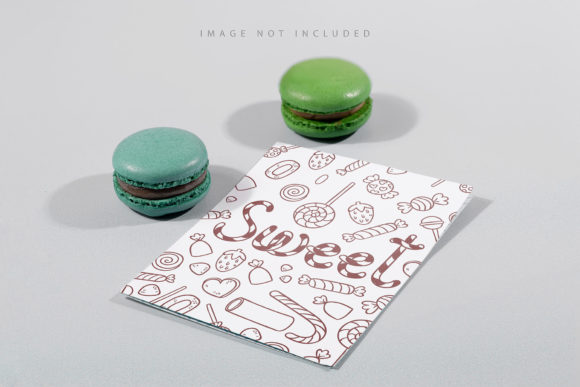
Green Macarons and Mockup Letter: Elevating Visual Identity with Precision
In the contemporary landscape of digital design, the distinction between a good presentation and a great one often lies in the details. For professionals ranging from freelance graphic designers to marketing directors at established agencies, the ability to showcase work effectively is not merely an aesthetic choice; it is a critical component of client communication and brand perception. This is where specialized tools like the Green Macarons and Mockup Letter come into play. These mockups are not just decorative assets; they are sophisticated templates designed to bridge the gap between abstract design concepts and tangible, real-world applications. By understanding the mechanics behind high-quality mockups, creators can significantly enhance their workflow, ensuring that every project meets the rigorous standards expected by modern audiences.
The Evolution of Design Presentation
Gone are the days when submitting a flat JPEG file was sufficient for a final deliverable. Today’s stakeholders expect to see how designs interact with physical textures, lighting, and environmental contexts. The shift toward photorealistic representation has driven the demand for high-fidelity mockups. The Green Macarons and Mockup Letter exemplifies this trend by offering a solution that balances realism with ease of use. Unlike older, rigid templates that required complex manual warping, modern smart object workflows allow for intuitive integration of artwork. This evolution reflects a broader industry move toward efficiency without compromising on visual fidelity. Creators now seek tools that respect their time while delivering results that look as though they were photographed on set, rather than rendered digitally.
This shift is particularly relevant for entrepreneurs and small business owners who may not have access to expensive photoshoots. A high-quality mockup allows a startup to present their packaging or letterhead with the same polish as a Fortune 500 company. The Green Macarons and Mockup Letter serves as a vital asset in this democratization of professional design, providing a realistic stage for creative work to shine. It addresses the user expectation for authenticity in a digital-first world, where the first impression of a brand is often made through online portfolios or social media previews.
Understanding Smart Objects and Workflow Efficiency
At the core of the Green Macarons and Mockup Letter feature set is the use of active smart objects. For those unfamiliar with Adobe Photoshop terminology, a smart object is a container that holds image data from raster or vector images. The primary advantage of using smart objects in mockups is non-destructive editing. When you double-click the smart object layer, a new window opens displaying your design. You paste your artwork, save the changes, and close the window. The mockup automatically updates to reflect your new design, complete with accurate perspective, shadows, and lighting effects.
This process is streamlined further by the inclusion of a dedicated safety zone. In the context of the Green Macarons and Mockup Letter, the safety zone refers to specific guidelines within the smart object layer. These lines indicate areas that are not included in the final rendered view of the smart object. Activating the layer reveals these boundaries, helping users understand exactly where their content will appear and where it might be cropped or obscured. This feature is invaluable for preventing common mistakes, such as placing critical text or logos outside the visible area. By making these zones explicit, the mockup reduces the learning curve for beginners and ensures precision for experts.
The efficiency gained from this workflow cannot be overstated. Professionals often juggle multiple projects simultaneously. The ability to drop in a design, save, and see an immediate, realistic preview accelerates the iteration process. It allows for rapid experimentation with different color palettes, typography styles, and layout configurations. This speed is crucial in fast-paced marketing environments where quick turnarounds are the norm. The Green Macarons and Mockup Letter supports this need by providing a reliable, repeatable process that minimizes technical friction.
Technical Specifications and Quality Standards
When selecting mockups for professional use, resolution and format are paramount. The Green Macarons and Mockup Letter adheres to industry-standard specifications, ensuring compatibility with high-resolution printing and digital display requirements. With a size of 6016×4016 pixels, the template offers ample detail for both web-based presentations and large-format prints. This resolution is particularly important for clients who may wish to zoom in on specific elements of the design during reviews.
Furthermore, the mockup is provided in .psd format at 300 DPI (dots per inch). This density is the gold standard for print production, ensuring that any output derived from the mockup remains crisp and clear. The high quality of the underlying photograph is another key factor. It is essential to note that this is a photo, not a 3D render or vector illustration. Photographic mockups capture the subtle imperfections of real materials—such as paper grain, slight curvature, and natural lighting variations—that 3D renders often struggle to replicate convincingly. This realism adds a layer of trust and professionalism to the presented work.
However, users must be aware of certain limitations inherent to photographic mockups. The background or design color does not change dynamically. If the original photo features a warm wooden table, the mockup will retain that warmth regardless of the colors used in your design. Similarly, the typography applied in the mockup preview is NOT INCLUDED in the editable layers. This means that if you wish to change the font style, you must replace the text layer entirely. Understanding these constraints helps users manage expectations and plan their design adjustments accordingly.
Practical Implications for Creators and Businesses
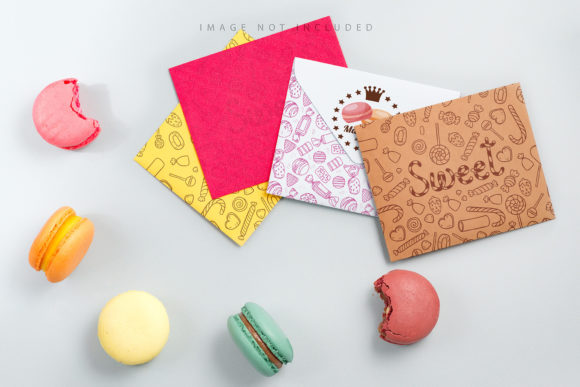
For freelancers and agency owners, the Green Macarons and Mockup Letter offers more than just a pretty picture; it provides a strategic advantage. Presenting a logo on a beautifully textured letterhead with green macarons in the background creates a narrative. It suggests attention to detail, creativity, and a touch of elegance. This storytelling aspect is powerful in branding. It helps potential clients visualize the end product, making it easier for them to approve designs and move forward with production.
Moreover, the consistency provided by standardized mockups helps maintain brand integrity across various platforms. Whether showcasing work on Behance, Instagram, or a personal portfolio website, using high-quality, consistent mockups reinforces a professional image. The Green Macarons and Mockup Letter contributes to this consistency by offering a unique yet versatile aesthetic that stands out without being distracting. It allows the design itself to remain the focal point, supported by a complementary environment.
For educators and students, this tool serves as an excellent teaching aid. Demonstrating the difference between a flat design and a mocked-up version helps illustrate the importance of context in visual communication. It encourages learners to think beyond the canvas and consider how their work will exist in the real world. The clear documentation included with the Green Macarons and Mockup Letter facilitates this learning process, making it accessible even to those with limited technical experience.
Maximizing Value Through Proper Usage
To get the most out of the Green Macarons and Mockup Letter, users should adopt a methodical approach. Start by reviewing the safety zone guidelines before pasting your design. Ensure that all critical elements fall within the visible area. Pay attention to contrast; since the background is fixed, choose design colors that stand out against the mockup’s tones. Test different layouts to see how they interact with the perspective of the letter and the surrounding elements.
Additionally, leverage the high resolution of the file for diverse applications. Use smaller crops for social media thumbnails and full-size versions for detailed portfolio entries. The versatility of the .psd format allows for extensive customization beyond just the smart object. Layers can be hidden or adjusted to tweak lighting or shadows if needed, although the core strength lies in the smart object functionality. By treating the mockup as a dynamic tool rather than a static image, creators can unlock its full potential.
In conclusion, the Green Macarons and Mockup Letter represents a thoughtful intersection of aesthetic appeal and functional utility. It caters to the needs of modern creators who demand efficiency, realism, and professionalism in their presentations. By leveraging smart object technology and adhering to high-quality standards, this mockup empowers users to elevate their work. As the design industry continues to evolve, tools that simplify complex processes while enhancing visual impact will remain indispensable. Embracing such resources allows professionals to focus on what they do best: creating meaningful, effective designs that resonate with their audience.