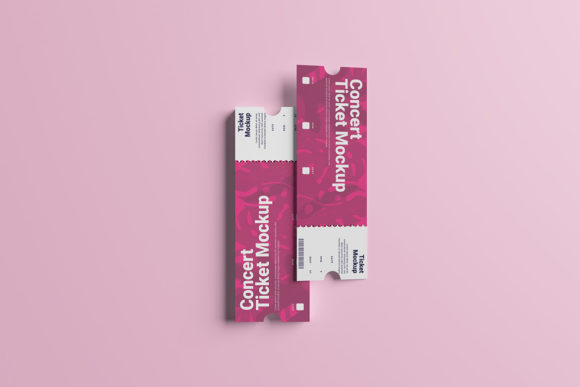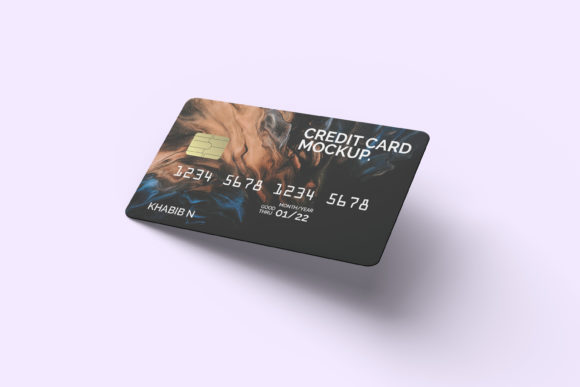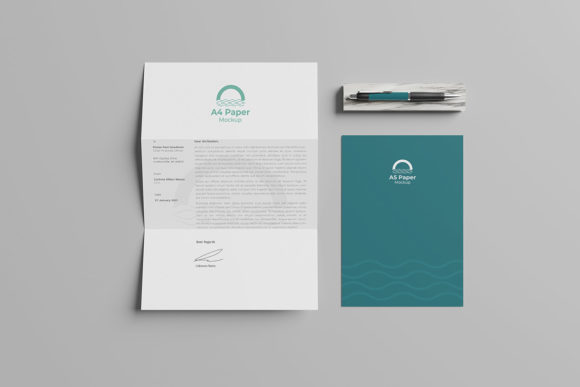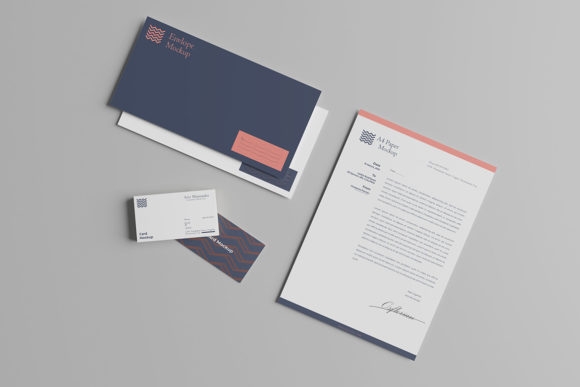
Realistic View Ticket Mockup
In the fast-paced world of event planning, design agencies, and creative freelancing, presenting your work is just as critical as creating it. You might have crafted the perfect typography, selected a color palette that perfectly captures the vibe of a music festival, or designed an elegant invitation for a corporate gala. However, if you present that flat JPEG to a client, they often struggle to visualize how it will look in the real world. This is where Realistic View Ticket Mockup becomes an indispensable tool in your design arsenal. It bridges the gap between digital abstraction and physical reality, allowing you to showcase your ticket designs in a way that feels tangible, professional, and ready for production.
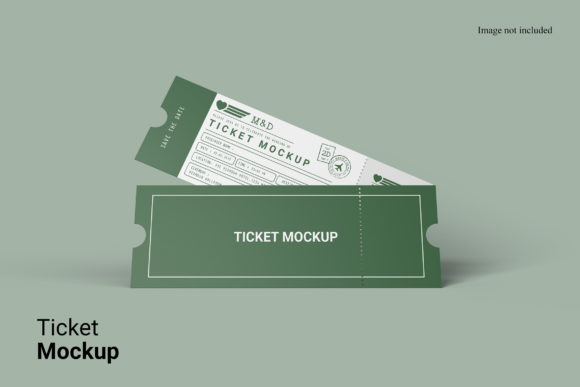
This specific mockup isn't just about slapping a design onto a piece of paper. It offers a sophisticated 3D display that mimics the lighting, shadows, and texture of a real-world environment. By using this PSD file, designers can instantly elevate their portfolio presentations, client pitches, and social media content from amateurish drafts to polished, high-end deliverables. The ability to see your design rendered realistically helps clients understand the scale, finish, and overall aesthetic impact before a single ticket is printed.
Why Realism Matters in Design Presentations
When you are selling a design service, you are essentially selling a vision. Clients need to trust that you can execute that vision flawlessly. A flat image of a concert ticket on a white background tells them what the graphics look like, but it doesn’t tell them how the paper weight feels, how the ink sits on the surface, or how the design holds up under natural light. Realistic View Ticket Mockup solves this communication gap by providing context.
Imagine you are pitching a rebranding package for a local theater. You send over a folder containing flat logo files and a ticket layout. The client nods politely but remains unsure. Now, imagine sending the same assets, but embedded within a photorealistic scene where the tickets are stacked neatly on a wooden table, perhaps next to a coffee cup or a pair of glasses. Suddenly, the design has presence. It feels expensive. It feels real. This psychological shift is powerful in closing deals and securing approvals.
Real-World Scenarios and Use Cases
The versatility of this mockup extends far beyond simple ticket sales. While the name suggests "tickets," the application is broader, catering to various industries that rely on entry passes, invitations, and branded materials. Here is how different professionals can leverage this tool in their daily workflows.
Event Organizers and Promoters
For event planners, marketing is everything. Whether you are organizing a small workshop, a large-scale conference, or an underground rave, the visual appeal of your entry pass sets the tone for the entire experience. Using Realistic View Ticket Mockup, you can create stunning promotional assets for Instagram, Facebook, and LinkedIn. Instead of posting a static graphic, you post a lifestyle shot of the ticket being held in someone’s hand or resting on a desk. These images generate higher engagement rates because they tell a story. They suggest that the event is happening, people are attending, and excitement is building.
Graphic Designers and Agencies
If you run a design agency, your presentation decks are your sales pitch. Every second counts. Manually compositing designs into realistic scenes using complex masking techniques can take hours. With the smart-object features built into this PSD file, you can replace the current designs with your own within seconds. This speed allows you to iterate quickly during client meetings. If a client says, "I love the concept but want to try a blue background instead," you can change the background-color and update the design simultaneously, showing immediate results. This responsiveness positions you as efficient and adaptable.
Print Shops and Paper Suppliers
Businesses that specialize in premium printing services use mockups to demonstrate the quality of their finishes. If you offer foil stamping, embossing, or special paper stocks, a flat design does not do justice to these textures. This mockup provides a realistic 3D display that highlights depth and material quality. You can use these visuals to upsell clients, explaining why a matte finish might be better for a luxury brand versus a glossy finish for a vibrant pop-culture event. It turns a technical specification sheet into a compelling visual argument.
Festival and Music Industry Creatives
The music industry thrives on aesthetics. Festival posters, wristbands, and VIP passes are collectible items. Artists and managers need to ensure their merchandise and entry materials align with the band's brand identity. By showcasing these items in a realistic setting—perhaps at a festival gate or in a fan’s collection—you help stakeholders visualize the end product. This is crucial for securing sponsorships, as sponsors want to see their logos integrated naturally into high-quality, desirable merchandise.
Technical Ease and Workflow Integration
One of the most significant barriers to using high-quality mockups is the learning curve associated with Photoshop. Many designers avoid advanced compositing because it requires manual skill and time. This is where the smart-object functionality of Realistic View Ticket Mockup shines. You do not need to be a Photoshop wizard to achieve professional results.
The process is intuitive: open the file, double-click the smart-object layer, paste your design, save, and close. The mockup updates automatically, preserving all the lighting effects, shadows, and perspective corrections. This feature is particularly useful for those who may not have extensive experience with advanced editing tools but still demand top-tier presentation materials. It democratizes high-quality design presentation, allowing solo creators to compete visually with large agencies.
Additionally, the file comes with a PDF help guide. This is a thoughtful inclusion that ensures even beginners can navigate the interface without frustration. The resolution is set to 300 dpi with a size of 3000x2000 px, ensuring that your final exports are crisp and clear, suitable for both high-resolution print outputs and sharp digital displays. There is no pixelation when you zoom in, which is essential for maintaining professionalism in detailed critiques.
Considerations and Limitations
While Realistic View Ticket Mockup is a powerful asset, it is important to approach its use with realistic expectations. First, remember that the photos used in the preview are for illustration purposes only. The lighting and environment in the mockup are fixed unless you edit the background layer manually. If your brand colors are extremely neon or highly saturated, you may need to adjust the blending modes or opacity settings to ensure they look natural against the textured background.
Furthermore, while the mockup changes the background-color, it does not fundamentally alter the 3D structure of the scene. If you need a completely different angle or environment—such as a ticket floating in mid-air or placed on a busy stage—you would need a different mockup file. This tool is best suited for standard, grounded presentations where the focus is on the design itself rather than a fantastical setting.
Another consideration is the aspect ratio. At 3000x2000 px, the dimensions are landscape-oriented. Ensure that your ticket designs fit well within this frame. If you are designing square tickets or vertical passes, you may need to crop or resize your artwork to maintain balance within the composition. Proper preparation of your source files will yield the best integration with the smart-object layers.
Maximizing Value Through Strategic Application
To get the most out of this resource, treat it as part of a broader branding strategy. Don't just use it once for a final delivery. Use it throughout the project lifecycle. Create variations early on to test concepts, use them in progress reports to keep clients engaged, and reserve the most polished versions for the final handover. Consistency in presentation style builds brand authority. When every deliverable looks cohesive and professional, clients perceive greater value in your work.
Also, consider the audience you are targeting. For tech-savvy startups, a sleek, minimalist mockup presentation might resonate more. For traditional industries like law or finance, a more conservative, classic representation might be preferred. Adjusting the background color and the surrounding elements (if you choose to add props) can tailor the mockup to fit the specific cultural and aesthetic norms of your client’s industry.
Ultimately, Realistic View Ticket Mockup is more than just a template; it is a communication enhancer. It transforms abstract ideas into concrete realities, helping you connect with clients on an emotional level. In a market where attention is scarce and competition is fierce, giving your designs a realistic, tangible presence can be the difference between a proposal that gets ignored and one that gets signed. By investing time in how you present your work, you signal that you care about the details, and that care translates directly into perceived quality and trust.