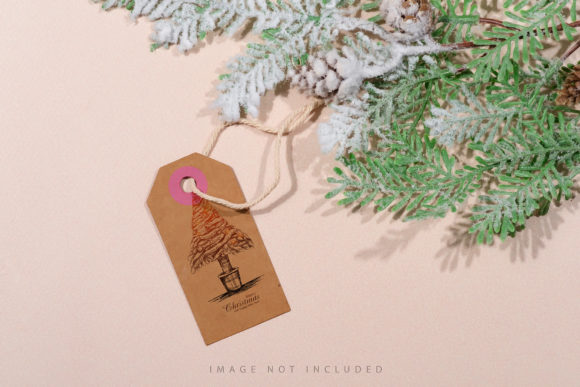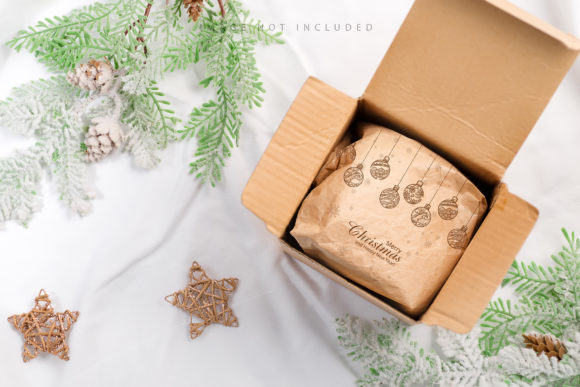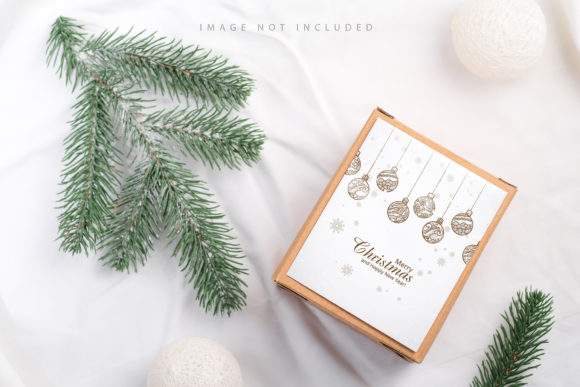
Christmas Gift Box Mockup on Textile
In the competitive landscape of holiday marketing, visual presentation is not merely an aesthetic choice; it is a critical component of consumer trust and engagement. For designers, small business owners, and content creators, the ability to present a product in a realistic, high-quality context can significantly influence purchasing decisions. This is where specialized digital assets, such as a Christmas Gift Box Mockup on Textile, become indispensable tools in the creative workflow. Rather than relying on generic stock photography or time-consuming physical photoshoots, professionals can leverage these mockups to visualize their branding in a festive, tangible environment.
The core value of this specific mockup lies in its realism and ease of use. It is designed to simulate how a gift box would look when placed on a textured fabric surface, providing depth, shadow, and lighting cues that flat images often lack. By using this resource, you can save hours of setup time while achieving a professional standard that resonates with your audience during the busiest season of the year.
Streamlining Your Design Workflow
One of the most significant challenges for freelancers and agency teams during the holiday rush is efficiency. Every hour spent setting up lighting rigs or editing backgrounds is an hour taken away from actual design work. The Christmas Gift Box Mockup on Textile addresses this bottleneck through a streamlined smart object process. The file is structured so that you do not need to manually warp, distort, or mask your designs onto the box.
To utilize this feature effectively, you simply double-click the active smart object layer within the Photoshop interface. This action opens a new window where you can paste your design. Once your artwork is positioned correctly, saving the file automatically updates the main mockup view. This non-destructive editing method ensures that you can experiment with different color palettes, patterns, or typography without altering the original source files. For entrepreneurs launching limited-edition holiday products, this flexibility allows for rapid iteration and testing of various brand identities before committing to final production.
Understanding Technical Specifications and Quality
When selecting digital assets for commercial projects, resolution and format are paramount. A low-resolution image can ruin the credibility of a high-end brand, especially when displayed on large screens or printed materials. This mockup is delivered in a high-quality .psd format at 300 DPI with dimensions of 6016×4016 px. These specifications ensure that the image remains crisp whether it is used for a website banner, social media post, or a high-resolution print catalog.
It is important to note that this is a photographic asset, not a 3D model or vector graphic. While 3D models offer infinite rotation angles, they often require complex rendering software and technical expertise. In contrast, this photo-based mockup provides immediate photorealism. However, because it is a static photograph, the perspective is fixed. Users should be aware that the background texture and the lighting conditions are baked into the image. Consequently, changing the background color or the ambient lighting of the scene is not possible within the standard file structure. This limitation actually serves as a benefit for many users, as it prevents accidental alterations that could make the lighting look inconsistent or artificial.
The Importance of the Safety Zone
A common frustration in using mockups is placing a logo or graphic outside the visible area of the product, resulting in cut-off text or distorted imagery upon export. To mitigate this risk, this mockup includes a dedicated Safety Zone. This feature consists of guide lines overlaid on the smart object layer, indicating the safe boundaries where your design elements will remain fully visible and undistorted on the final rendered box.
These lines are not part of the final output; they are purely functional guides for the designer. To access them, you simply activate the specific safety zone layer. By keeping your critical design elements—such as logos, headlines, and essential graphics—within these boundaries, you ensure a polished and professional result. This attention to detail is particularly valuable for educators and bloggers who may not have advanced graphic design skills but still need to produce clean, readable visuals for their holiday newsletters or promotional materials.
Typography and Customization Limits
While the mockup excels at showcasing product packaging, it is crucial to understand what is included and what is excluded. The design applied typography is NOT INCLUDED in the base file. This means that any text currently visible on the box in the preview image is likely part of the sample design or has been removed for you to insert your own. You will need to add your own text layers separately if you wish to display specific messaging, such as "Happy Holidays" or your brand name directly on the box.
This exclusion is intentional, allowing for greater customization. Whether you are a marketer creating a campaign for a client or a hobbyist designing a personal gift label, you have full control over the textual content. However, this also requires a basic understanding of Photoshop’s text tools. If you are unfamiliar with adding and formatting text in PSD files, you may need to consult additional tutorials or seek assistance. For those who prefer a more plug-and-play experience, this step adds a layer of complexity that should be considered before purchase.
Ideal Use Cases and Target Audience
The versatility of the Christmas Gift Box Mockup on Textile makes it suitable for a wide range of professionals. Small business owners selling handmade goods, candles, or cosmetics can use this mockup to showcase their packaging in a cozy, inviting setting that aligns with seasonal shopping trends. Marketers can create cohesive social media campaigns by using consistent mockup styles across multiple platforms, reinforcing brand recognition.
Freelance designers can include this asset in their client presentations to demonstrate how a logo or package design would look in a real-world context. This helps clients visualize the final product more clearly, potentially speeding up the approval process. Additionally, bloggers and influencers can use these high-quality images to enhance the visual appeal of their holiday gift guides, driving higher engagement and click-through rates.
Final Considerations for Implementation
Before integrating this mockup into your projects, consider the overall aesthetic of your brand. The textile background provides a soft, natural texture that complements organic, rustic, or minimalist brands. If your brand identity relies on sleek, industrial, or neon-lit aesthetics, you might find the warm, fabric-based tones less aligned with your visual goals. In such cases, comparing options and exploring mockups with different backgrounds—such as marble, wood, or solid colors—may yield better results.
Furthermore, always test your designs at various sizes. Even with a high-resolution file, some intricate details may become lost when viewed on mobile devices. Use the safety zone to protect your core message, but also ensure that secondary details are legible. By carefully applying your designs to the smart object and respecting the file’s structural limitations, you can produce stunning, professional-grade holiday visuals that elevate your brand presence and connect meaningfully with your audience.