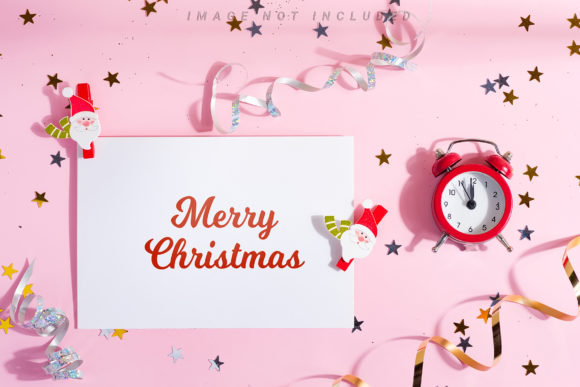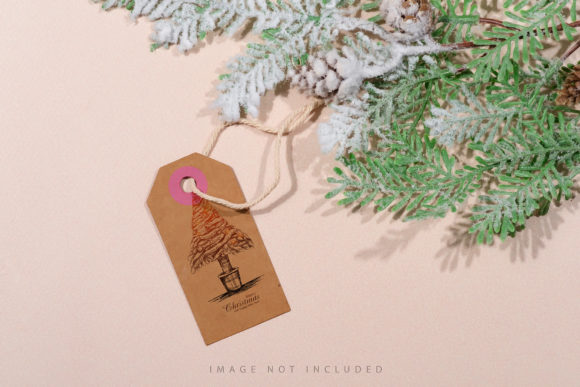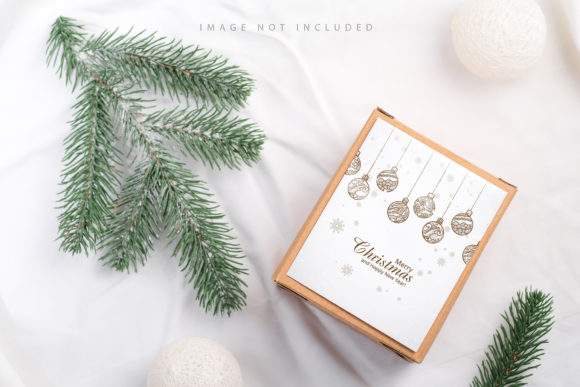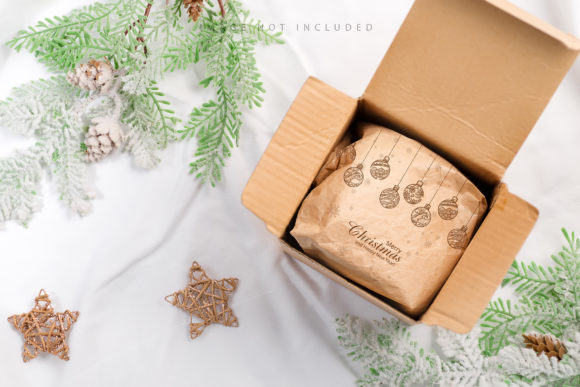
Streamlining Your Holiday Campaigns with New Year Mock Brochures
The transition from the festive chaos of Christmas to the fresh, hopeful energy of the New Year represents one of the most critical periods for visual communication in marketing and design. Whether you are a seasoned graphic designer, a small business owner planning your annual review, or an educator preparing course materials, the need to present concepts quickly and effectively is paramount. This is where New Year Mock Brochures become an indispensable tool in the modern creative workflow. By utilizing high-fidelity digital presentations, professionals can showcase their typography, color palettes, and layout strategies without the cost and time associated with physical printing.
Understanding how to leverage these digital assets allows creators to focus on the core message rather than the logistics of production. The following guide explores the technical specifications, practical applications, and strategic advantages of using smart object-based mockups for your holiday and year-end projects.
The Power of Smart Layer Objects in Design Presentation
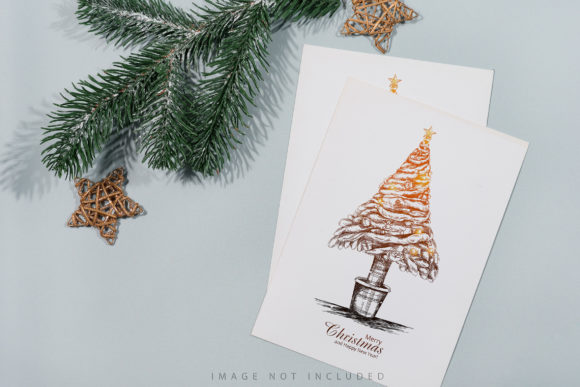
At the heart of efficient mockup usage is the concept of the smart layer object. Unlike static images that require manual warping or complex masking techniques, a file equipped with a safety zone for a smart object offers a streamlined path to professional results. When you receive a package containing New Year Mock Brochures, you are typically provided with a Photoshop (.psd) file that contains pre-configured layers designed to accept your artwork seamlessly.
The process is intuitive yet powerful. You simply paste your design into the designated smart object layer. Because the software calculates the perspective and lighting automatically, your flat 2D design transforms into a realistic 3D-looking brochure instantly. Once you have placed your content, saving the file updates the entire presentation. This feature eliminates hours of tedious editing, allowing designers to iterate through multiple color schemes and layout variations in minutes rather than days.
Understanding the Safety Zone Feature
A crucial detail often overlooked by beginners is the inclusion of a safety zone within the smart object structure. These zones are defined by specific lines or guides that indicate areas not included in the smart object transformation. To visualize this, users must activate the relevant layer to see the boundaries clearly. Adhering to these zones ensures that critical text, logos, or focal points are not distorted by the edges of the fold or curve of the brochure.
This distinction is vital for maintaining clarity in Christmas and New Year mock brochures. Since holiday designs often rely heavily on intricate details and small typography, staying within the safe area guarantees that your message remains legible and impactful when viewed in the final presentation. Ignoring these boundaries can result in cropped elements or warped text that detracts from the overall professionalism of the piece.
Technical Specifications and Quality Standards
For any digital asset intended for professional use, resolution and dimension are non-negotiable factors. High-quality mockups provide a realistic representation of how a design will look in the real world, but only if they are built on a foundation of superior technical standards. The mockups discussed here adhere to rigorous criteria to ensure accuracy and versatility.
- Resolution: Each file is rendered at 300 DPI (dots per inch). This standard is essential for print-ready previews and ensures that even when zoomed in for detailed client reviews, the image remains crisp and free of pixelation.
- Dimensions: The files boast a size of 6016×4016 px. This high-resolution canvas allows for significant cropping and resizing flexibility. Whether you need to display the brochure on a large monitor, include it in a high-res portfolio website, or print a thumbnail for social media, the source data supports all formats without quality loss.
- Format: The primary format is .psd, which is compatible with Adobe Photoshop and other major design suites that support smart objects. This universality makes the tool accessible to a broad audience of professionals and hobbyists alike.
It is important to note that while these are highly realistic, they are photo-based representations, not 3D models or vector graphics. This means that the lighting, shadows, and textures are baked into the background image. Consequently, the background or design color does not change dynamically based on your input; instead, your design is mapped onto the existing lighting conditions of the photograph. This realism adds authenticity to your presentations, making it easier for clients to visualize the final product.
Practical Applications Across Industries
The utility of New Year Mock Brochures extends far beyond simple graphic design portfolios. Different sectors utilize these tools to communicate ideas, secure approvals, and engage audiences. Here is how various groups can apply these resources effectively.
Marketing Professionals and Agencies
Agencies frequently pitch campaign concepts to clients before production begins. Presenting a Christmas and New Year mock brochure allows marketers to demonstrate how a brand’s messaging will look in a tangible format. It bridges the gap between abstract strategy and concrete execution. By showing a realistic preview, agencies can reduce revision cycles and build trust with stakeholders who may struggle to interpret flat digital proofs.
Educators and Researchers
In academic settings, visual aids play a crucial role in conveying complex information. Educators can use mockups to create sample syllabi, event programs, or informational pamphlets for students. For researchers presenting findings at conferences, a well-designed brochure mockup can serve as a handout template, ensuring that data is presented in an organized and aesthetically pleasing manner. The ease of swapping content via smart objects allows instructors to update materials annually without redesigning the layout from scratch.
Small Business Owners and Hobbyists
Entrepreneurs launching new products or services during the holiday season benefit immensely from low-cost presentation tools. Instead of investing in expensive prototype printing, business owners can use New Year Mock Brochures to test market interest. They can create multiple versions—one focusing on discounts, another on gift guides—and share them on social media to gauge engagement. This iterative approach saves money and provides valuable customer feedback before committing to mass production.
Workflow Optimization and Best Practices
To maximize the efficiency of using smart object mockups, it is helpful to establish a consistent workflow. Starting with a clear understanding of the document structure prevents common errors and ensures a smooth creative process.
- Preparation: Before opening the mockup file, ensure your design is exported or prepared at the correct dimensions. While the smart object handles scaling, working with a properly sized canvas reduces distortion risks.
- Activation: Open the .psd file and locate the smart object layer. Double-click the thumbnail to open the embedded file. Remember to check for the safety zone lines by activating the layer visibility to understand where your content should be anchored.
- Placement: Paste your design into the smart object window. Align your elements carefully, keeping the safety zone boundaries in mind. Ensure that no critical text touches the edges of the safe area.
- Saving and Updating: Once your design is finalized, save the smart object file (usually via Ctrl+S or Cmd+S). Return to the main mockup document, and the changes will appear automatically. Inspect the final render to ensure lighting and perspective look natural.
Considerations Regarding Typography and Assets
One critical aspect to remember is that design-applied typography is NOT INCLUDED in these packages. Users must supply their own fonts to match their brand guidelines. If a font used in your design is not installed on your system, the text may default to a placeholder font, altering the visual balance. Therefore, it is advisable to embed fonts or convert text to outlines before placing them in the smart object, depending on your software capabilities.
Additionally, because the background color does not change, selecting a mockup with a neutral or complementary base environment is important. A dark wood table background might clash with a bright, pastel holiday brochure, whereas a clean white surface or a soft gray backdrop can enhance the vibrancy of your colors. Choosing the right environmental context is part of the strategic value of having access to multiple mockup variations.
The Strategic Value of Realistic Previews
In an era where digital consumption dominates, the ability to simulate physical touchpoints is a superpower. New Year Mock Brochures offer more than just aesthetic appeal; they provide psychological reassurance to clients and customers. Seeing a design "in situ" triggers a different cognitive response than viewing it on a plain screen. It suggests tangibility, effort, and professionalism.
Furthermore, the specificity of the holiday theme—such as Christmas and New Year mock brochures—allows for targeted emotional connection. These templates often come with seasonal styling cues, such as warm lighting or festive angles, that align with the consumer mindset during the holidays. By leveraging these pre-built contexts, designers can amplify the emotional resonance of their campaigns without starting from zero.
Conclusion
The integration of smart object technology into New Year Mock Brochures represents a significant advancement in design efficiency. By combining high-resolution 300 DPI imagery with user-friendly safety zones and dynamic layer adjustments, these tools empower creators across all levels to produce stunning, realistic presentations. Whether you are refining a corporate annual report, designing a festive promotional flyer, or creating educational materials, the ability to quickly visualize your work leads to better decision-making and stronger client relationships. As the demand for rapid, high-quality visual communication continues to grow, mastering these mockup workflows will remain an essential skill for any serious professional.