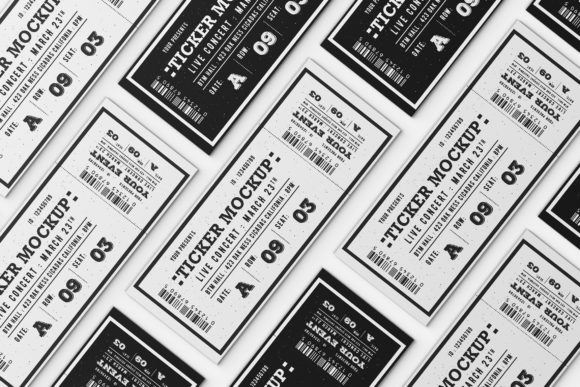
Repetition Ticket Mockup
Let’s be honest: presenting a design concept is often the hardest part of the creative process. You’ve spent hours refining colors, tweaking typography, and perfecting the layout for a new event series, a loyalty program, or a concert tour. But when you send that flat JPEG to a client or post it on social media, it can look a bit... flat. It lacks context. It doesn’t tell the story of how the final product will actually feel in someone’s hand.
This is where a Repetition Ticket Mockup steps in to save the day. It isn’t just a template; it’s a bridge between your digital files and the physical world. Specifically designed for designers who need to showcase ticket-based designs professionally, this tool allows you to present your work in a realistic 3D display without needing expensive photography equipment or complex rendering skills. If you are looking to elevate your portfolio, impress clients, or simply visualize your ideas better before printing, understanding how to leverage this PSD file can significantly change how you approach your projects.
Why Context Matters in Design Presentation
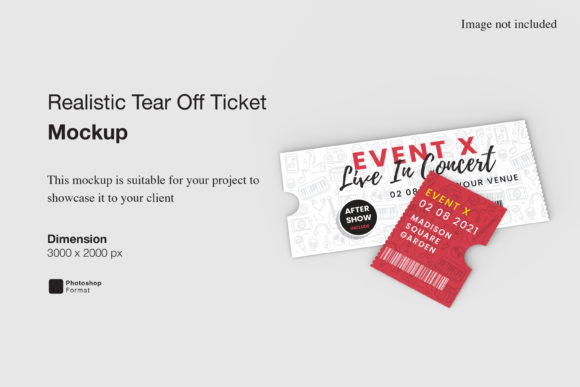
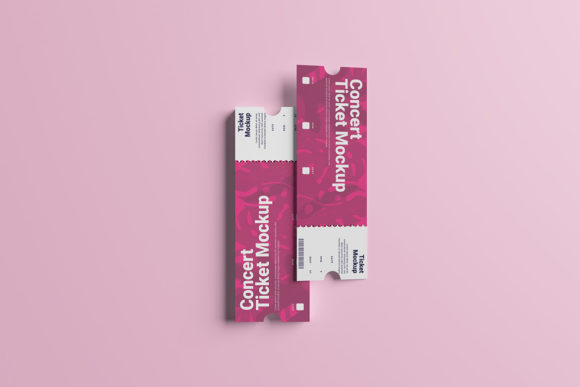
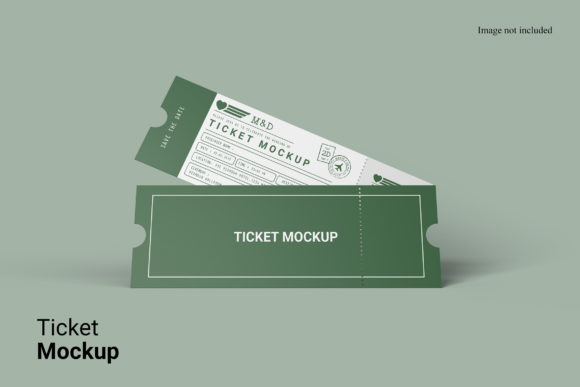
When you’re designing a ticket—whether it’s for a corporate workshop, a local theater production, or a digital membership card—the shape, size, and material matter. A standard rectangular image doesn’t convey the perforation edge, the texture of the paper, or the way light hits the surface. By using a mockup that simulates these elements, you provide your audience with a tangible sense of scale and quality.
The core appeal of the Repetition Ticket Mockup lies in its ability to make your designs look "real" instantly. Instead of describing the finish as "matte" or "glossy," you show it. This visual proof builds trust. Clients don’t have to imagine how their brand colors will look on a ticket stub; they see it. For freelancers and agencies, this means fewer revision rounds because the expectation is set clearly from the start. It transforms a simple graphic into a complete product experience.
Real-World Scenarios: Who Uses This and Why?
You might be wondering if this specific type of mockup applies to your workflow. The answer is likely yes, especially if your work involves print-on-demand services, event management, or branded merchandise. Here is how different professionals integrate this tool into their daily routines.
Event Organizers and Marketers
If you manage events, you know that tickets are more than just entry passes; they are collectibles. A well-designed ticket can become a keepsake. When pitching a new event concept to sponsors or venue owners, showing them a high-fidelity mockup of the ticket helps them visualize the branding opportunity. They can see how the logo sits against the background, how the QR code area is balanced, and whether the overall aesthetic matches the vibe of the event. This mockup allows you to create multiple variations quickly—perhaps one version for VIPs and another for general admission—by simply swapping out the smart objects.
Graphic Designers and Freelancers
For designers, time is money. Creating a custom Photoshop scene from scratch to display a single ticket design can take an hour or more. With this PSD file, which features smart-object capabilities, you can replace the current design with your own within seconds. This efficiency is crucial when you are juggling multiple clients. Imagine having a library of ticket designs ready to go. You drop in a new artwork, adjust the lighting slightly if needed, and export a presentation-ready image. It streamlines your workflow from creation to delivery.
Educators and Workshop Leaders
It’s not just for commercial use. Educators running paid workshops, webinars, or certification courses often need to create professional-looking certificates or access passes. A repetition ticket mockup can help you present these materials as premium products. When you share a preview of what participants will receive, it adds perceived value to your course. It signals that you care about the details and the user experience, even before they attend.
Technical Features That Drive Results
Understanding the technical specifications helps you decide if this tool fits your needs. The Repetition Ticket Mockup is delivered in PSD Photoshop format, which is the industry standard for editable design files. However, the real magic happens in how these features translate to practical benefits.
- Smart-Object Flexibility: This is the most critical feature. Smart objects allow you to double-click the placeholder layer, paste your design, and hit save. The mockup automatically wraps your design onto the ticket shape, respecting shadows, curves, and perspective. You don’t need advanced masking skills. This ease of use means you can produce high-quality presentations even if you aren’t a Photoshop expert.
- High Resolution (300 DPI): At 3000x2000 pixels, this mockup provides ample detail for both screen and print. Whether you are displaying it on a website, sending it via email, or including it in a printed pitch deck, the quality remains crisp. Blurry images undermine professionalism; this resolution ensures your text and graphics remain sharp and legible.
- Changeable Background Color: Context changes perception. Showing a white ticket on a dark wooden table feels different than showing it on a clean white studio background. The ability to change the background color lets you match the mood of your presentation. Need a minimalist look? Go white. Want something warm and inviting? Try beige or soft gray. This versatility allows you to tailor the visual narrative to your specific project.
- PDF Help Guide: Sometimes, tools come with steep learning curves. This package includes a PDF guide to walk you through the process. It removes the guesswork, ensuring you can utilize the smart objects correctly without frustration. For beginners, this support is invaluable; for experts, it’s a quick reference that saves time.
Practical Considerations Before You Start
While the Repetition Ticket Mockup is a powerful asset, there are a few things to keep in mind to get the best results. First, always remember that the photos used in previews are for illustration purposes only. Your actual output depends on the quality of the design you insert. If your source file has low-resolution logos or pixelated fonts, the mockup won’t fix that. Ensure your designs are prepared at the correct dimensions and resolution before dropping them into the smart object.
Additionally, consider the aspect ratio. Tickets often have specific proportions due to perforations or tear-off sections. Make sure your design accommodates these safe zones so that critical information like barcodes or dates isn’t lost in the fold or cut off during printing. The mockup helps you visualize this, but it’s up to you to plan the layout accordingly.
Finally, think about the platform where you’ll share these images. Social media platforms compress images, which can sometimes soften details. While the 300 DPI file is excellent for high-res exports, you may need to optimize your final JPEGs for web use to ensure fast loading times without sacrificing too much clarity. Use the mockup to create a master file, then export optimized versions for different channels.
Conclusion
In a crowded digital marketplace, presentation is everything. The Repetition Ticket Mockup offers a straightforward, efficient way to elevate your ticket designs from simple graphics to compelling visual stories. By leveraging smart objects, high resolution, and customizable backgrounds, you can save time while increasing the perceived value of your work. Whether you are pitching to a major sponsor, showcasing your portfolio, or preparing materials for a workshop, this tool helps you communicate your vision with clarity and professionalism. It’s a small investment in a file that can streamline your workflow and strengthen your brand presence across various industries.