Trifold Mockup: Elevating Professional Design Presentations with Realistic 3D Visualization
In the competitive landscape of graphic design, marketing, and branding, the way a product is presented can be just as critical as the design itself. A flat image often fails to convey depth, texture, and context, leaving clients or stakeholders struggling to visualize the final outcome. This is where high-quality visual assets become indispensable tools for professionals. Among these resources, the Trifold Mockup has emerged as a versatile solution for showcasing brochure designs in a realistic, three-dimensional environment. By bridging the gap between digital creation and physical reality, this tool allows designers to present their work with unprecedented clarity and professionalism.
The modern design workflow demands efficiency without compromising on quality. Professionals, from freelance creatives to large agency teams, are constantly seeking ways to streamline their presentation processes while maintaining a high standard of visual impact. A well-crafted mockup serves not merely as a display frame but as a strategic communication device. It transforms abstract concepts into tangible experiences, allowing viewers to engage with the design as if it were already printed and in their hands. Understanding the technical capabilities and practical applications of such tools is essential for maximizing their potential in real-world scenarios.
The Power of Realistic 3D Display in Design Presentation
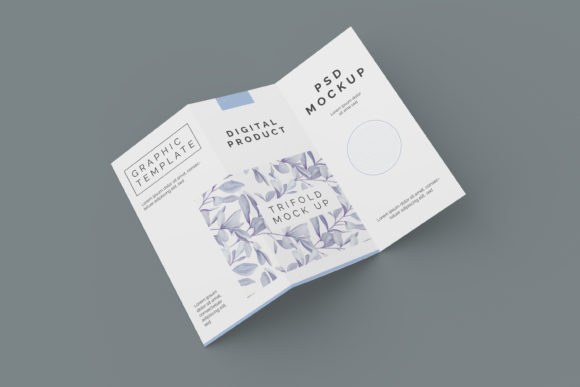
Visual perception plays a significant role in how information is processed and retained. When a client views a flat JPEG of a brochure, they must mentally simulate how it will look when folded, held, and read. This cognitive load can lead to misinterpretation or a lack of emotional connection to the design. A Trifold Mockup eliminates this barrier by providing a photorealistic representation of the final product. The inclusion of shadows, lighting effects, and perspective distortion creates a sense of depth that mimics real-world conditions.
This realism fosters trust and confidence. When a designer presents a trifold brochure within a sophisticated 3D context, it signals attention to detail and a commitment to quality. Clients are more likely to approve designs that appear polished and ready for production. Furthermore, the ability to see how typography, color palettes, and layout elements interact with the folds and creases of the paper provides valuable insights during the review process. Designers can identify potential issues with readability or visual balance that might not be apparent in a two-dimensional view.
Technical Specifications and Workflow Efficiency
Beyond aesthetics, the utility of a design asset lies in its functionality. The specific features of this Trifold Mockup are engineered to support a seamless and efficient workflow. Available in the widely used PSD Photoshop format, it integrates directly into the software ecosystem that most professional designers already utilize. This compatibility ensures that there is no steep learning curve associated with adopting new tools; instead, it enhances existing habits.
Smart-Object Technology for Rapid Iteration
One of the most critical features of this mockup is its integration with Smart-Objects. In the realm of digital design, time is a valuable resource. Manually adjusting layers, masking edges, and warping images to fit a complex shape can be tedious and error-prone. With Smart-Object technology, replacing the current design with your own is an instantaneous process. Designers simply double-click the designated layer, insert their artwork, save the changes, and watch as the design automatically conforms to the perspective and lighting of the mockup.
This capability allows for rapid iteration. A designer can test multiple color schemes, headline variations, or imagery options within seconds. This agility is particularly beneficial when working with clients who request several revisions. Instead of spending hours recreating presentations for each version, the designer can generate a series of compelling visuals in minutes. This efficiency not only speeds up the approval process but also encourages creative experimentation, leading to stronger final outcomes.
High-Resolution Standards for Print and Digital Use
To ensure that the presentation looks crisp on any screen or when printed, the mockup adheres to strict resolution standards. With a size of 3000x2000 pixels at 300 DPI, the file offers exceptional clarity. This high resolution is crucial for professional portfolios, online galleries, and client emails where zooming in may reveal pixelation in lower-quality assets. The sharpness of the mockup reflects positively on the designer’s brand, suggesting that their attention to detail extends to every aspect of their deliverables.
Customization and Versatility
A one-size-fits-all approach rarely works in design. Different projects require different atmospheres, and the ability to adapt the background is a key advantage of this tool. The Trifold Mockup includes a changeable background-color feature, allowing users to tailor the presentation to match specific brand identities or project themes.
- Brand Consistency: If a client’s brand colors are navy blue and gold, the designer can set the background to complement these hues, creating a cohesive visual identity across all presentation materials.
- Contextual Storytelling: Depending on the nature of the brochure, the background can be adjusted to evoke certain moods. A clean white background might suit a minimalist medical pamphlet, while a textured gray background could enhance the rugged appeal of an outdoor adventure guide.
- Portfolio Diversity: For designers building a portfolio, varying the backgrounds prevents visual monotony. It allows each project to stand out individually while maintaining a consistent level of quality in the mockup itself.
This flexibility ensures that the mockup remains relevant across a wide range of industries, from corporate business reports to creative event flyers. The ease of changing the background further underscores the user-friendly nature of the asset, requiring minimal technical skill to achieve professional results.
Target Audience and Practical Applications
The utility of a Trifold Mockup extends far beyond traditional graphic designers. Its broad applicability makes it a valuable asset for various professionals and hobbyists alike.
For Graphic Designers and Agencies
Freelancers and agencies use this tool to elevate their pitch decks and client presentations. A striking mockup can be the deciding factor in winning a contract. It demonstrates professionalism and helps justify pricing by showcasing the value of the design work. Additionally, it serves as an excellent tool for internal quality control, allowing team members to review designs in a realistic context before sending them to print.
For Marketers and Business Owners
Marketing professionals often need to visualize campaign materials quickly. Small business owners who design their own promotional materials can benefit greatly from using a pre-made mockup. It allows them to create high-quality social media posts, website banners, and email headers without needing advanced Photoshop skills. The smart-object feature simplifies the process, enabling non-designers to produce visually appealing content that competes with professionally designed assets.
For Educators and Students
In educational settings, mockups serve as powerful teaching aids. Instructors can demonstrate the importance of layout, hierarchy, and visual flow using realistic examples. Students can practice their skills by applying their assignments to the mockup, receiving immediate feedback on how their work translates to a real-world object. This hands-on approach reinforces theoretical concepts and prepares students for the demands of the industry.
For Researchers and Hobbyists
Even those outside the core design field can find value in this tool. Researchers presenting findings in a tri-fold poster format for conferences can use the mockup to prepare their displays digitally before printing. Hobbyists involved in zine-making or self-publishing can preview their layouts to ensure everything aligns correctly before committing to paper.
Implementation and Best Practices
While the Trifold Mockup is designed for ease of use, following best practices ensures the highest quality output. First, always ensure that your source design matches the aspect ratio and dimensions required by the mockup’s smart-object layer. Uploading a low-resolution image will result in a blurry final presentation, undermining the high-quality nature of the mockup itself.
Secondly, pay attention to the contrast between your design and the background. While the background color is changeable, choosing a hue that complements rather than clashes with your brochure’s dominant colors will enhance readability and visual appeal. Testing different combinations can help you find the optimal balance.
Finally, remember that the photos used in previews are for illustration purposes only. When creating your own presentations, focus on the integrity of your design content. The mockup is a frame; the design is the art. By keeping the design simple, legible, and impactful, you allow the realistic 3D display to do its job effectively—highlighting your creativity without distraction.
Conclusion
Incorporating a Trifold Mockup into your design workflow represents a strategic investment in the presentation of your work. By leveraging realistic 3D visualization, smart-object efficiency, and customizable features, you can communicate your ideas more effectively to clients, stakeholders, and audiences. Whether you are a seasoned professional looking to refine your client interactions or a beginner seeking to produce polished results, this tool offers a practical and powerful solution. As the demand for high-quality visual communication continues to grow, mastering the use of such assets will remain a key competency for success in the creative industries.